How to Write a Song in 30 Minutes (A Simple Method That Works)
Ever sit down to write a song, play the same four chords for half an hour, and end up with nothing to show for it?
Coming up with an idea is one thing. Turning it into a song is another, especially when you start second-guessing every chord, melody, or lyric.
Here’s an exercise worth trying: give yourself 30 minutes to put together a rough song draft. You’ll start with a few chords, find a melody, add some lyrics, and work toward a verse and chorus you can record on your phone.
It won’t be a finished recording, and that’s fine. The idea is to have something you can come back to and develop.
Can You Really Write a Song in 30 Minutes?
Yes, but it helps to define what that means. Writing a song in 30 minutes means creating a simple draft with:
- A chord progression
- A melody
- Rough lyrics
- A basic structure like verse and chorus
It’s not about perfection. It’s about finishing something you can improve later.
What You Need Before You Start
Keep this simple. You don’t need much.
- A guitar (if you’re a beginner guitar player, that’s okay)
- 3 to 4 chords you already know
- Your phone to record ideas
- A 30 minute timer
If you’re not sure which chords to use, start here:
G → D → Em → C
These show up in tons of songs and are perfect for getting started.
Before We Start: There’s No One “Right” Way to Write a Song
If you’ve ever felt stuck trying to follow a formula, this matters.
Different people start in different places. Some hear melodies first. Some think in lyrics. Some just play chords until something clicks.
Here are a few ways you might naturally approach songwriting:
| If you tend to… | Start here | What to do |
|---|---|---|
| Play chords first | Chord progression | Loop something simple like: G → D → Em → C and let it repeat |
| Hear melodies in your head | Melody | Hum or sing first, then match chords to it |
| Think in words or stories | Lyrics | Write a few honest lines, then fit them to chords |
| Get stuck easily | Rhythm | Strum a steady pattern and let ideas come naturally |
| Overthink everything | Simplicity | Limit yourself to 3 chords and one idea |
Whichever starting point you choose, the goal is the same. Keep moving until you have something complete. That’s what separates people who write songs from people who think about writing songs.
The 30 Minute Songwriting Method (Step by Step)
Set a timer for 30 minutes and work through these four steps. Don’t stop to fix every little thing. You can always come back and make changes later.
Step 1: Choose a Chord Progression (0–5 Minutes)
Pick three or four chords you’re comfortable playing. If you’re stuck, try:
G → D → Em → C
Play through the progression a few times and settle on a strumming or picking pattern that feels good. Don’t worry about finding something nobody’s ever played before. You just need a starting point.
Step 2: Find a Melody (5–12 Minutes)
Keep those chords going and start humming or singing. Don’t worry about words yet.
Try a few phrases and see what sticks. Once you have something you like, come up with a second phrase that could work for a chorus. Maybe it reaches a higher note, holds a note a little longer, or repeats a short melodic idea.
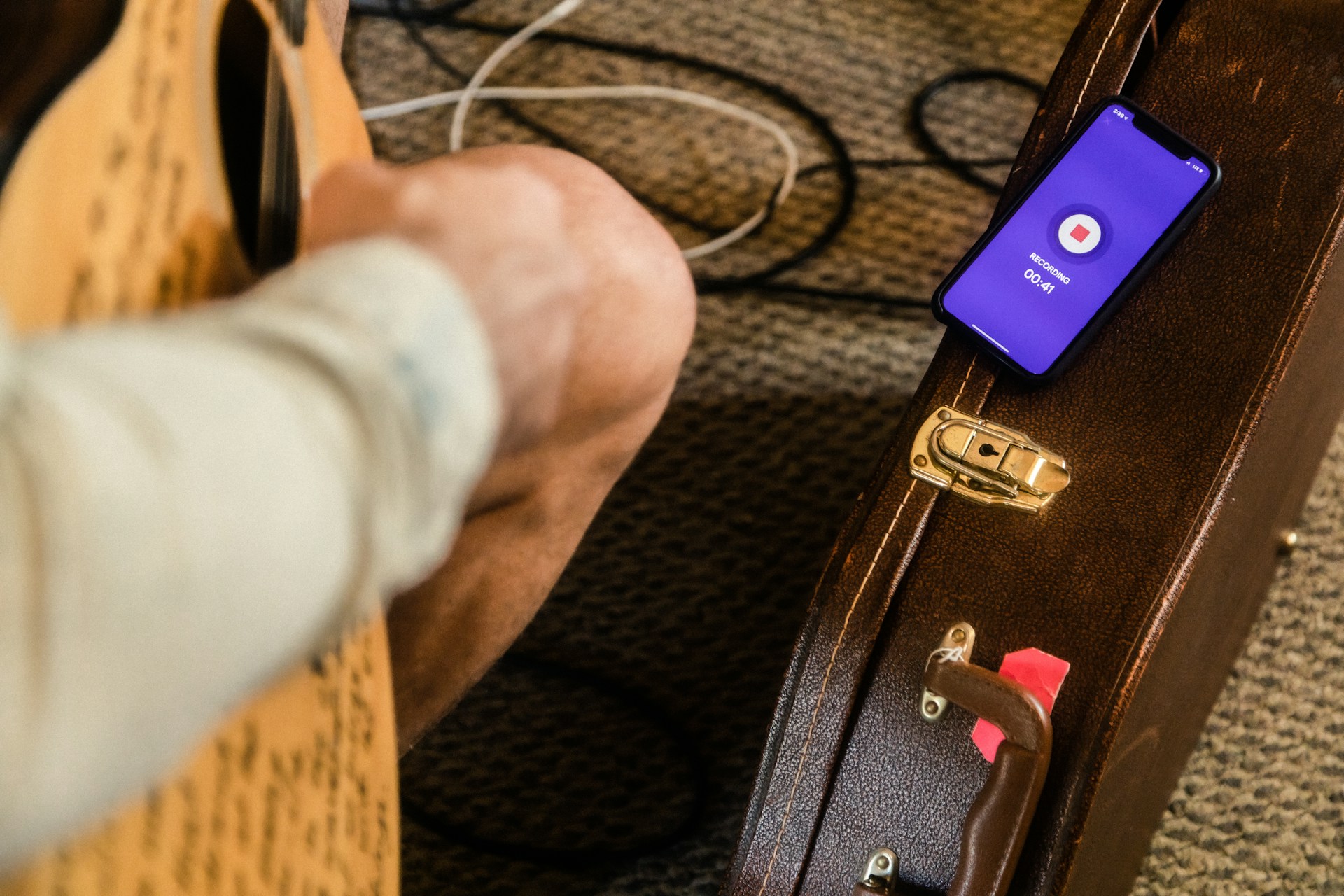
Record both ideas on your phone so you don’t forget them.
Step 3: Add Some Lyrics (12–20 Minutes)
Think of a conversation, a place, or something that’s been on your mind lately. Pick one idea and start putting words to the melody.
Aim for a few lines for your verse and a line or two that could become your chorus.
Don’t get hung up on finding the perfect rhyme. If something sounds awkward when you sing it, try saying it differently. You can clean up the lyrics later.
Step 4: Put It Together (20–30 Minutes)
Now try playing your verse and chorus back-to-back. You can use the same chord progression for both sections if you like. A different melody or rhythm can be enough to give the chorus its own identity.
If you have time, sketch out a second verse. Then play through what you’ve written and record it, even if parts are still missing.
When the timer goes off, you’ll have a rough recording to work from. Listen back later and see which ideas are worth developing.
Here’s Where Most People Get Stuck
This part is important, and can help prevent writer’s block from creeping in. Most people don’t stop because they can’t write a song. They stop because they start judging it too early.
You might think:
- “This sounds bad”
- “This is too simple”
- “This isn’t original”
If that’s happening, you’re doing it right. That means you’re actually writing. The goal in 30 minutes is not to impress anyone. It’s to finish something.
A Simple Trick: Limit Yourself on Purpose
If you feel overwhelmed, try this:
- Use only 3 chords
- Write about one moment
- Repeat one line twice
Constraints make decisions easier. And easier decisions mean you keep moving.
Why Writing Fast and Editing Later Works So Well
This is where a lot of people misunderstand songwriting. Writing and editing are two different skills. When you try to do both at the same time, you get stuck.
Writing fast helps you:
- Capture ideas without overthinking
- Stay in a creative flow
- Finish something
Editing later helps you:
- Improve lyrics
- Strengthen melodies
- Make the song more memorable
A simple rule:
Write fast. Edit slow.
How to Improve Your Song After the 30 Minutes
Once your draft is done, this is where the real growth happens. Go back and:
- Make your lyrics more specific
- Replace generic lines with real images
- Adjust one chord to add tension
- Strengthen your chorus so it stands out
- Cut anything that feels unnecessary
Most songs become good during editing, not writing.
Want Help Writing Songs?
If you’ve been trying to write songs on your own and keep getting stuck, working with a teacher can make a huge difference.
At Green Hills Guitar Studio, we help students go from random ideas to songs they’re actually proud of. Whether you’re taking songwriting lessons in Nashville or learning online, having guidance can speed everything up and make the process a lot more enjoyable.